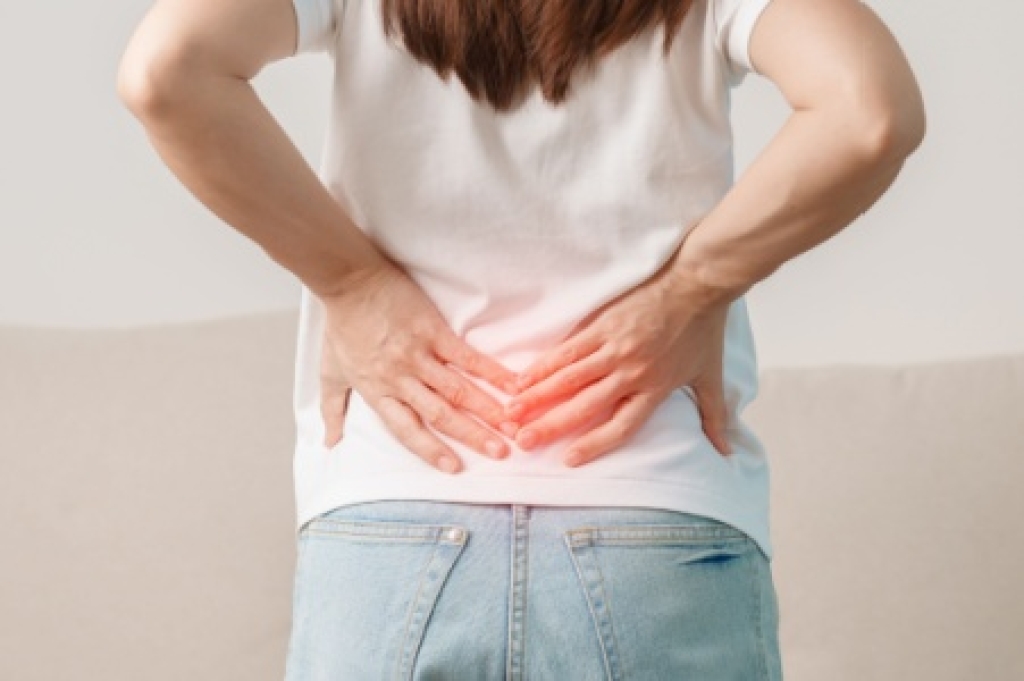
Low back pain affects many people and may interfere with daily activities, mobility, and overall comfort. The lower back, also called the lumbar spine, consists of five vertebrae that support much of the body's weight. Between these bones are discs that act as cushions and absorb pressure during movement. Muscles, ligaments, and nerves also help support the spine and allow the body to bend or twist. When these structures become irritated or injured, discomfort may develop. Common causes of lower back pain include muscle strains, ligament sprains, and herniated discs. A herniated disc occurs when the soft material inside a spinal disc pushes outward and may irritate nearby nerves. Other causes include arthritis and narrowing of the spinal canal, which may place pressure on nerves. Understanding the source of discomfort is important for determining appropriate care.
Symptoms of low back pain vary depending on the underlying cause and affected structures. Some individuals experience a dull, constant ache, while others notice sharp or burning pain during certain movements. Discomfort may remain in the lower back or extend into the buttocks, hips, or legs. When nerves become irritated, symptoms may include tingling, numbness, or weakness in the affected areas. Pain may develop suddenly following an injury or appear gradually over time. Certain movements and physical activities may increase discomfort, making everyday tasks more difficult. While many episodes of lower back pain improve over time, some individuals experience recurring symptoms. Pain that continues for more than 12 weeks is generally considered chronic low back pain. Persistent discomfort may affect posture, limit mobility, and interfere with normal routines. Recognizing changes in symptoms helps determine when further evaluation is necessary.
Chiropractic care focuses on spinal function, joint mobility, and the relationship between the spine and surrounding muscles. A chiropractor evaluates lower back pain by reviewing symptoms, examining posture, and assessing spinal movement. This examination helps identify areas of restricted mobility or muscle tension that may contribute to discomfort. Depending on the findings, chiropractic treatment may include spinal adjustments or gentle joint mobilization to improve movement and reduce certain types of musculoskeletal pain. Treatment approaches vary according to the cause and severity of symptoms. Chiropractic care may also address movement limitations that develop alongside persistent lower back discomfort. If you have consistent low back pain, it is suggested that you consult a chiropractor for an evaluation and appropriate treatment options.
Low back pain is one of the most common causes of discomfort and reduced mobility, affecting people across all age groups. It often originates from issues such as muscle strain, joint dysfunction, or poor posture. Everyday activities like bending, lifting, or prolonged sitting can aggravate the pain, turning a temporary ache into a persistent problem. If left untreated, acute low back pain can become chronic, restricting movement and diminishing quality of life.
The spine’s alignment plays a critical role in back health, as misalignments can create tension, inflammation, and nerve irritation. Addressing these underlying issues is essential for relief and long-term recovery. Chiropractic care offers a non-invasive solution by focusing on spinal health through targeted adjustments and personalized recommendations. If low back pain is interfering with your daily life, seeing a chiropractor can help alleviate discomfort and restore function naturally.
1. How does chiropractic care help low back pain during pregnancy?
Chiropractors use gentle, pregnancy-safe adjustments to reduce stress on the spine and pelvis, helping alleviate low back pain caused by changes in posture and weight distribution.
2. Does chiropractic care work for chronic low back pain caused by old injuries?
Yes, chiropractors address lingering misalignments and stiffness caused by old injuries, helping restore function and reduce chronic pain.
For additional information, please contact our office located in Contact Us .
